
Diabetes
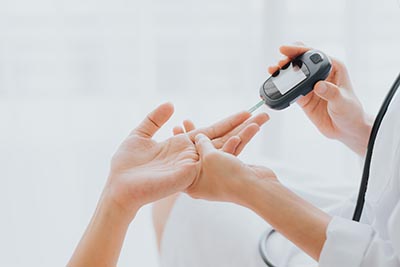
Diabetes is a lifelong condition caused by a lack or insufficiency of insulin, a hormone produced by the pancreas. Insulin acts like a key that opens your cells, allowing sugar (glucose) to enter and be used for energy.
When the body does not produce enough insulin — or cannot use it properly — glucose builds up in the bloodstream. This leads to high blood sugar, the hallmark of diabetes.
Types of Diabetes
Type 1 Diabetes
- Usually begins in childhood or early adulthood
- Caused by the immune system destroying insulin‑producing cells
- Always requires insulin injections
Type 2 Diabetes
- Develops slowly in adulthood
- Progressive condition
- May be managed with diet and exercise at first
- Often requires medication and/or insulin over time
More than three‑quarters of people with diabetes have Type 2 diabetes, and rates are rising due to increasing levels of overweight and obesity. Type 2 diabetes is included in the Chronic Disease Management Programme. Type 1 diabetes is generally managed in hospital clinics.
Pre‑Diabetes
Pre‑diabetes means your blood sugar is higher than normal but not high enough for a Type 2 diabetes diagnosis. It is a warning stage, and without action, many people progress to Type 2 diabetes.
The good news: Pre‑diabetes is highly treatable, and Type 2 diabetes can often be prevented or delayed through:
- Being more active
- Losing weight if overweight
- Eating a healthy diet
See Healthier Living for practical lifestyle advice.
Risk Factors for Type 2 Diabetes
You are more at risk if you:
- Are over 45
- Have a close relative with diabetes
- Are overweight or obese
- Have pre‑diabetes
- Had gestational diabetes
- Are physically inactive
- Have high blood pressure or abnormal cholesterol
- Have heart disease
- Use long‑term steroids
- Are a member of the Travelling Community
- Are of South Asian, Chinese, Hispanic, African Caribbean or Black African origin
- Have haemochromatosis
- Have polycystic ovary syndrome (PCOS)
If you have several of these risk factors, it’s worth discussing your risk with your GP.
Useful Links & Resources
Disclaimer
This page provides general information only and is not a substitute for medical advice. While we aim to keep content up to date, errors may occur. Please discuss any health concerns with your GP. If you have suggestions or updates that may help others, we welcome your feedback.