
Chronic Obstructive Pulmonary Disease (COPD)
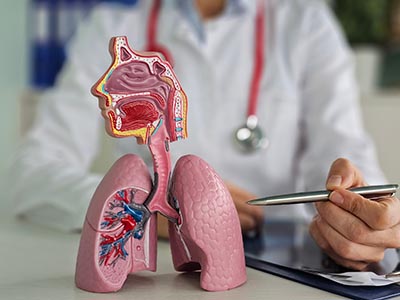
Chronic obstructive pulmonary disease (COPD) is the name for a group of long‑term lung conditions — including chronic bronchitis, emphysema, and chronic obstructive airways disease. These conditions make it difficult to breathe in and out due to airflow obstruction, caused by long‑term damage to the lungs.
COPD mainly affects middle‑aged or older adults who smoke or used to smoke, and most people do not notice symptoms until their late 40s or 50s. COPD is included in the Chronic Disease Management Programme.
Symptoms of COPD
Common symptoms include:
-
Increasing shortness of breath — may wake you at night or occur when you begin exercising
-
Persistent chesty cough with phlegm
-
Frequent chest infections
-
Persistent wheezing
Symptoms usually worsen over time and can make daily activities more difficult. Treatment cannot cure COPD, but it can slow progression and improve quality of life.
Flare‑Ups
COPD symptoms can suddenly worsen — known as a flare‑up or exacerbation. It’s common to experience several flare‑ups per year, especially during winter.
If you notice worsening symptoms, it’s important to contact your GP promptly.
Useful Links
-
HSE – COPD – symptoms, diagnosis, treatment, risks.
-
COPD Support Ireland – national support charity.
-
Quit.ie – help to quit smoking.
Disclaimer
This page provides general information only and is not a substitute for medical advice. While we aim to keep content up to date, errors may occur. Please discuss any health concerns with your GP. If you have suggestions or updates that may help others, we welcome your feedback.