
Cardiovascular Disease
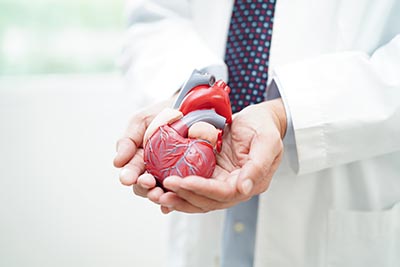
Cardiovascular disease (CVD) is a broad term for conditions that affect the heart and blood vessels. It is usually linked to a build‑up of fatty deposits inside the arteries (atherosclerosis) and an increased risk of blood clots. CVD can also involve damage to arteries supplying the brain, heart, kidneys, and eyes.
CVD is one of the leading causes of death and disability in Ireland, but many cases can be prevented through healthy lifestyle choices.
Conditions Included
Specific cardiovascular conditions include:
- Heart Failure
- Heart Disease
- Stroke/TIA
- Atrial Fibrillation
These four conditions are included in the Chronic Disease Management Programme. Hypertension (high blood pressure) is not included in the programme.
Causes & Risk Factors
The exact cause of CVD is not fully understood, but many factors increase your risk. The more risk factors you have, the higher your chance of developing CVD.
If you are concerned about your heart health, make an appointment with your GP. We can assess your individual risk and advise you on how to reduce it.
Major Risk Factors
- High blood pressure
- Smoking
- High cholesterol
- Diabetes
- Inactivity
- Being overweight or obese
- Family history of CVD
- Ethnic background
Other Influences
- Age: risk increases after 50
- Gender: men tend to develop CVD earlier
- Diet: unhealthy eating raises cholesterol and blood pressure
- Alcohol: excessive drinking increases cholesterol, blood pressure, and weight
Stroke
A stroke occurs when the blood supply to part of the brain is cut off. Without oxygen and nutrients, brain cells begin to die, leading to brain damage and potentially death.
A stroke is a medical emergency — the sooner treatment is given, the better the outcome.
Types of Stroke
- Ischaemic stroke (over 80% of cases): caused by a blood clot blocking blood flow
- Haemorrhagic stroke: caused by a burst blood vessel in the brain
Transient Ischaemic Attack (TIA)
A TIA is a temporary interruption of blood flow to the brain — often called a “mini‑stroke.” TIAs must be taken seriously, as they can be a warning sign of a future stroke.
Lifestyle Factors
Your stroke risk increases with:
- Smoking
- Being overweight
- High blood pressure
- High cholesterol
- Diabetes
Learn more about keeping your heart healthy.
Useful Links
- Irish Heart Foundation – A–Z of CVD, healthy eating guides
- HSE – Heart Disease
- HSE – Heart Attack / Angina
Disclaimer
This page provides general information only and is not a substitute for medical advice. While we aim to keep content up to date, errors may occur. Please discuss any health concerns with your GP. If you have suggestions or updates that may help others, we welcome your feedback.